Circular Clothing PilotPartner Spotlight
From laundry to longevity: OsloMet turns circular clothing into everyday practice
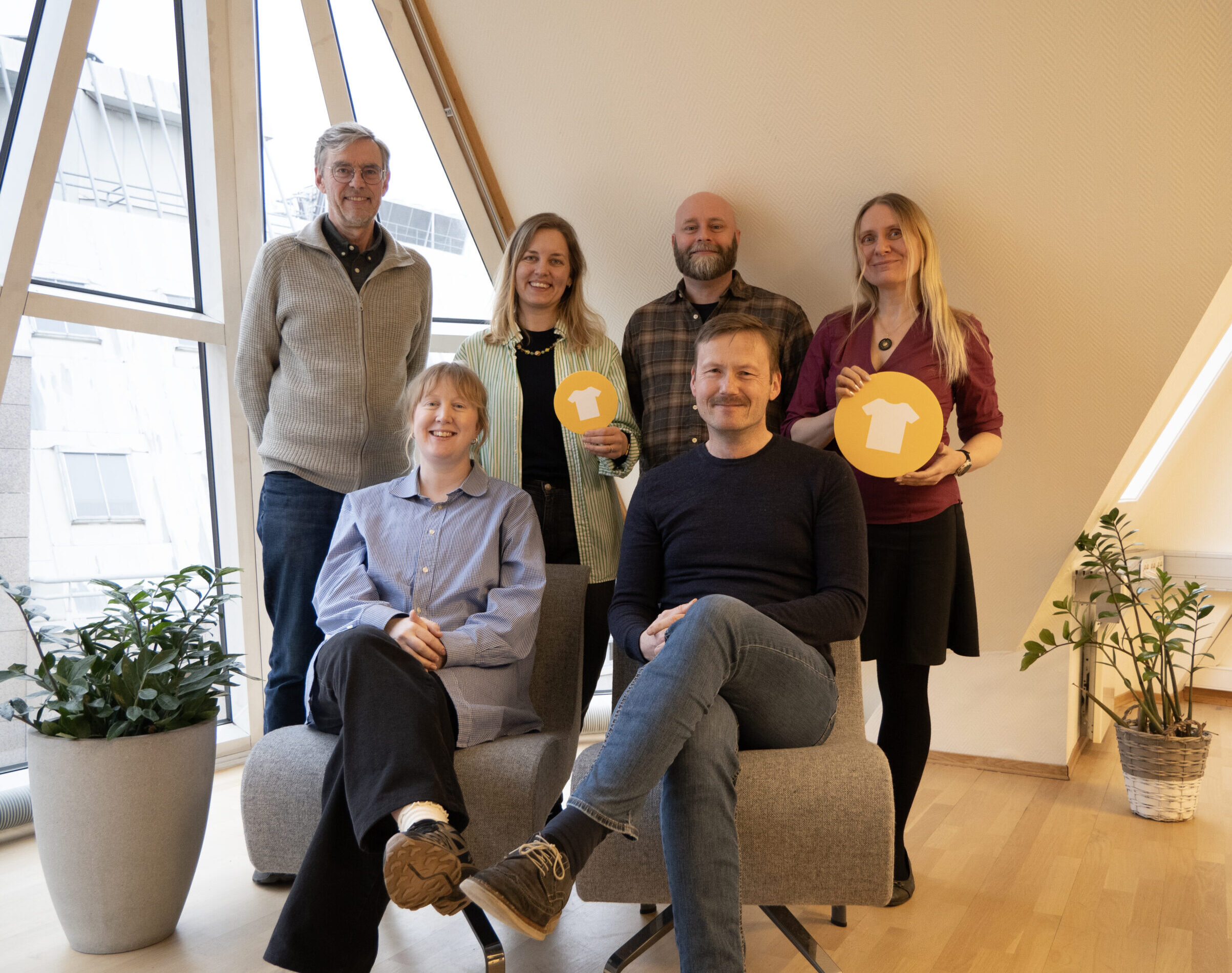
SIFO’s unique mix of textile science, consumption research and hands‑on guidance empowers households to keep garments in use longer—evidence that informs circular strategies across Europe.
Understanding everyday practices: from knowledge to action
Consumption Research Norway (SIFO) at OsloMet is a project partner in CARE and leads Work Package 4, which focuses on circular clothing consumption. In Norway, the project is carried out in close collaboration with Asker municipality as the local partner. In addition, OsloMet contributes to Work Package 3 on circular food consumption, led by Lund University, which addresses food waste reduction and its associated climate and environmental impacts.
“A circular mindset for food and clothing is about obtaining the necessary knowledge about materials and products. To change our practices, we need to plan better, but also be creative and make use of what we already have in our closet or fridge” says Harald Throne-Holst, the Norwegian work package leader.
Better clothing consumption through repair and maintenance
SIFO at OsloMet has built extensive expertise in textiles and clothing consumption over many years. The institute brings strong competence in laundry practices, repair, wardrobe planning and wardrobe studies, which are central elements of the work package led by OsloMet.
As part of the project, Ingrid Haugsrud is conducting her PhD research based on interviews with households, focusing on clothing care practices and wardrobe studies carried out by the participating households themselves.

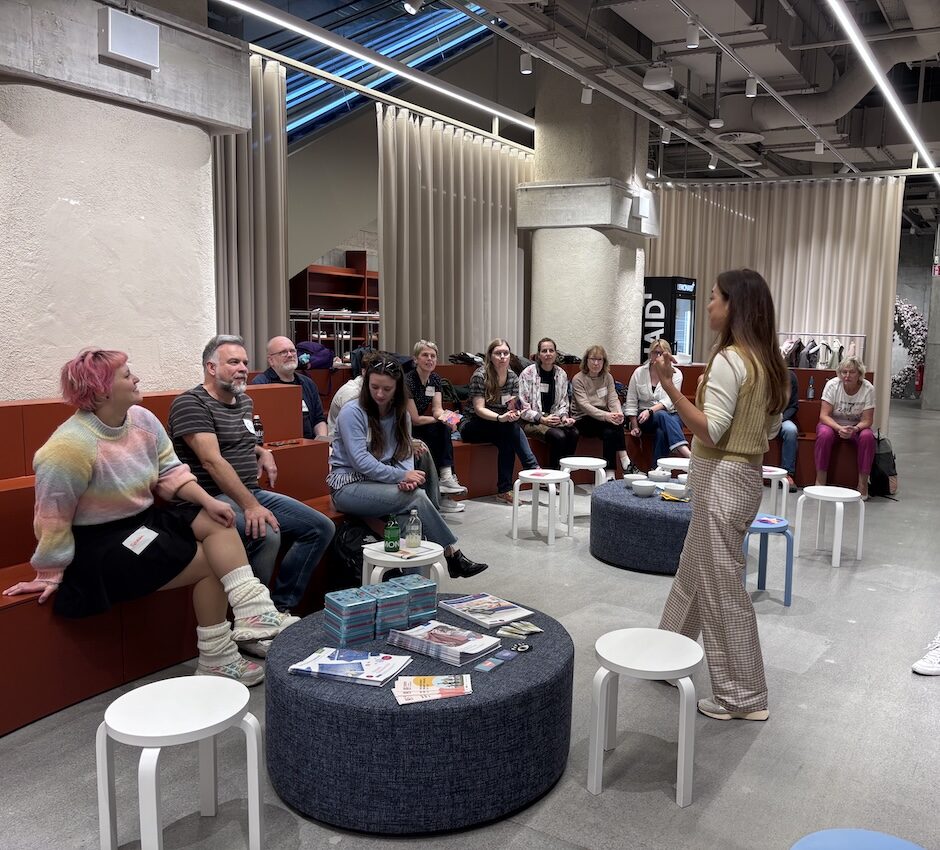
First CARE household centred design workshop in Asker kommune, Norway, on the topic of clothing. | © Christina Ek Reindal
“For clothing, a circular mindset is, among other things, about using clothes longer through proper maintenance and repair,” says Throne-Holst.
Together with Asker municipality, the researchers provide participanting households with repair kits, stickers and opportunities to meet and socialise at workshops. Participants learn about laundry practices and other measures to reduce greenhouse gas emissions linked to clothing. In collaboration with the Norwegian NGO The Future in Our Hands, households also explore different reuse options. The wardrobe studies will be carried out at home in the households at the start and at the end of the project.
“It will be exciting to see whether we can assist households in Asker in adopting more circular clothing consumption,” says Throne-Holst.
Working together with households
Households participating in the project in Asker engage in three practical activities to either reduce clothing consumption or food waste. In addition, they complete a survey, conduct a wardrobe study or keep a food waste diary over a defined period, and are interviewed twice.
As Harald Throne-Holst highlights, without the active involvement of households, circular economy approaches cannot succeed in practice. Much of the work that enables circularity takes place within households and often remains invisible. “We are so grateful to the households participating in the project. They take on exciting tasks, and we believe they can reduce their climate footprint while also saving money through more mindful consumption,” says Throne-Holst.
We will observe, document and support the households, and then assess whether the results can be scaled up. Can the experiences from the CARE project be transferred to all of Asker – and perhaps to other cities and regions in Norway and across Europe? – Harald Throne-Holst, OsloMet
Looking ahead: scaling circular practices
The experiences gathered in CARE will help identify how circular clothing practices can be supported more broadly. The project aims to generate insights that can inform future advisory services and contribute to scaling circular consumption practices beyond the pilot regions.
Dicscover all CARE partners
Our project partners work hand in hand to explore what circular living means in practice – and how it can be scaled through collaboration, knowledge and action. Discover how each organisation contributes to a more circular future here.
Together with CARE, we transform our world for the better.
Header image: © OsloMet
Related posts
Circular Clothing PilotCircular Food PilotLocal EngagementPartner Spotlight
From participation to practice: Ecofellows supports circular change in Tampere
Through local pilots, practical guidance and hands-on learning, Ecofellows helps households test more circular food and clothing practices. Within …
Aug 27, 2026