Circular Clothing PilotEventsResearch and Insights
Rethinking Europe’s clothing sector: Insights from CARE and FABRIX
How can circular clothing practices become an accessible part of everyday life? At the 2026 RSA Annual Conference in Gothenburg, CARE contributed to and co-organised a special session that explored how fashion economies and circular transitions are shaped by cities, regions, and everyday infrastructures.
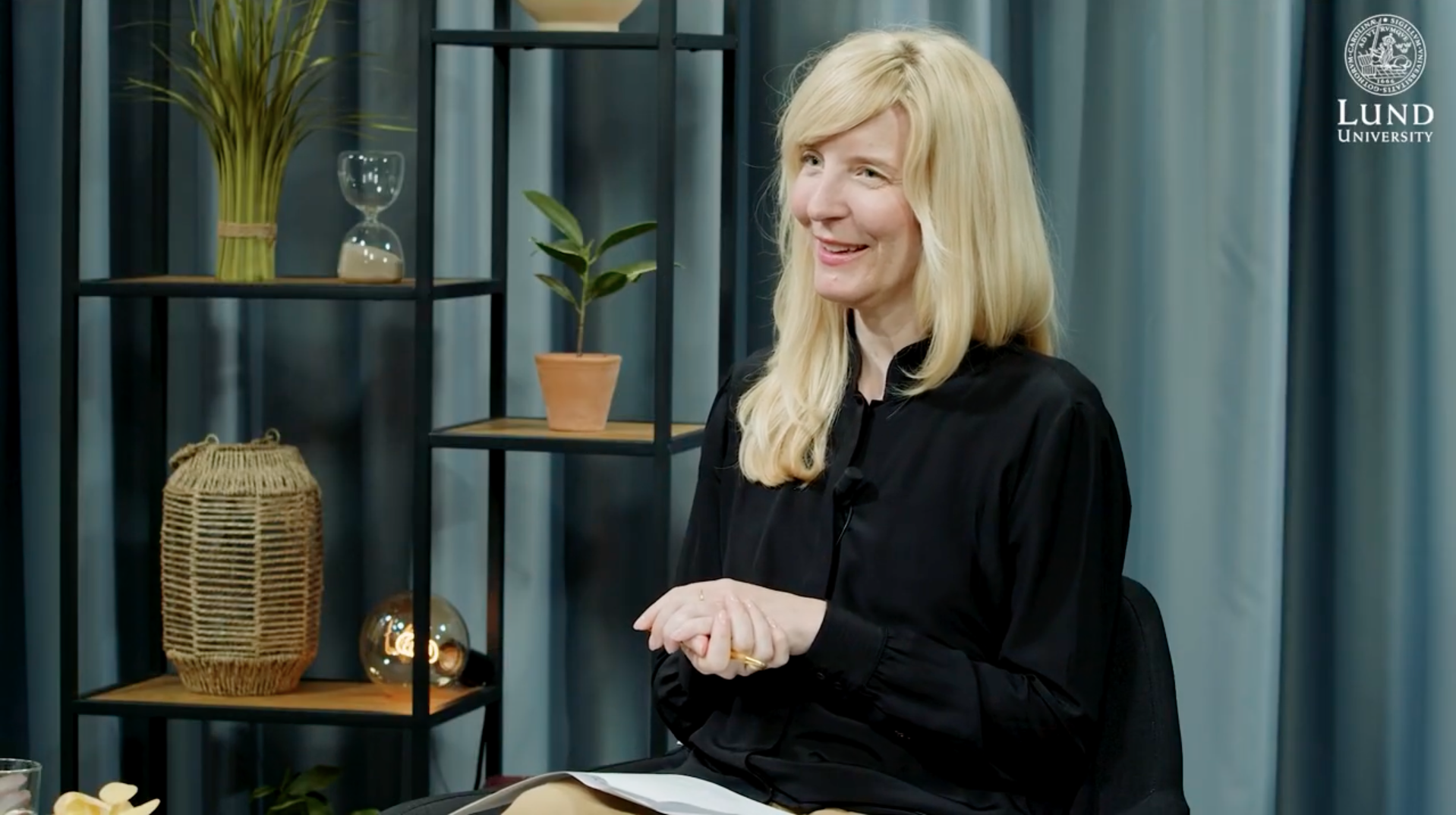
A related discussion, recorded at Lund University, further explores how household practices, urban textile ecosystems and systemic change can contribute to a more sustainable European clothing sector.
Exploring place-based pathways towards circular clothing systems
The 2026 RSA Annual Conference brought together researchers, policymakers, and practitioners to discuss regional responses to today’s major societal challenges. During the special session ‘Fashion Economies in Transition: Urban and Place-Based Dynamics’, researchers explored how Europe’s fashion and textile sector is evolving in response to sustainability challenges.
Representing CARE, Emma Samsioe from Lund University presented research connecting consumers’ circular clothing practices with the need for accessible everyday infrastructure and facilities for clothing reuse and repair. She highlighted that circular clothing practices depend not only on individual choices, technological innovation and new business models, but also on local services, facilities and systems that enable people to care for, reuse and repair clothing in practice.
Throughout the session, the presentations demonstrated that transitions to sustainable and circular fashion are deeply place-based. These transitions are shaped by local skills, material infrastructures, industrial legacies, and the often less visible efforts of those involved in the production, distribution and consumption of fashion items.
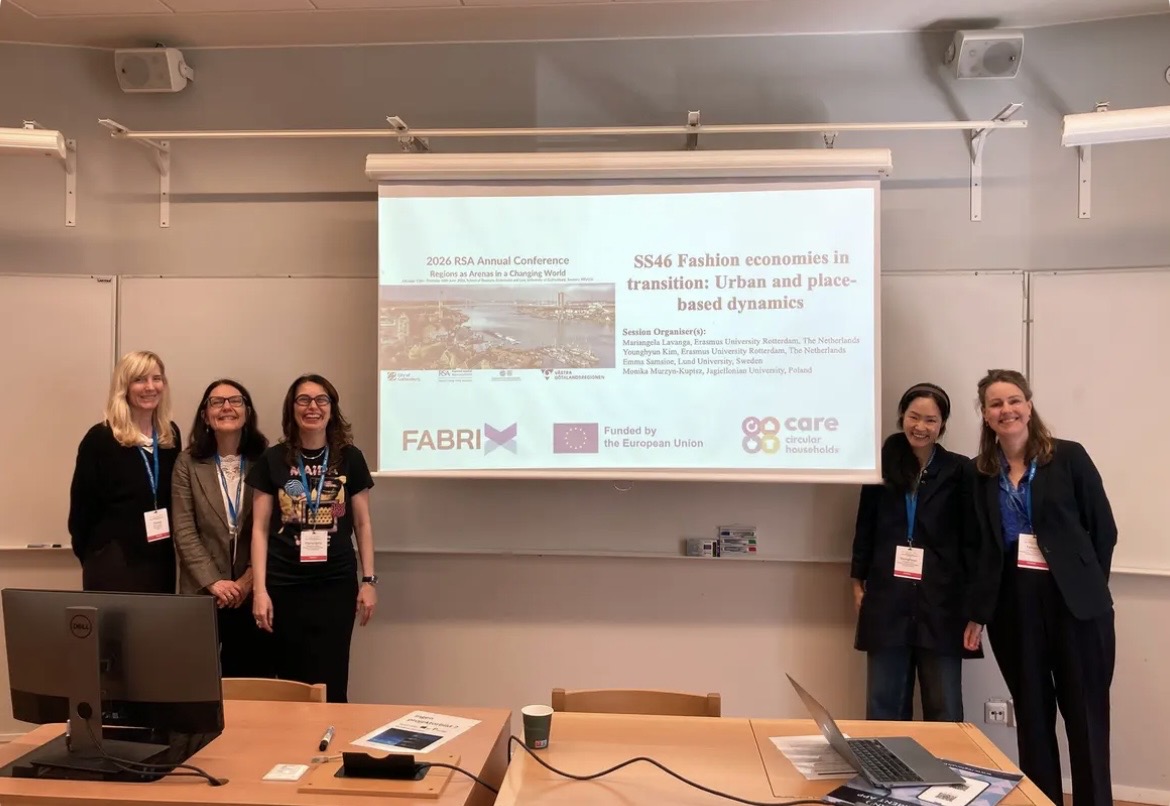
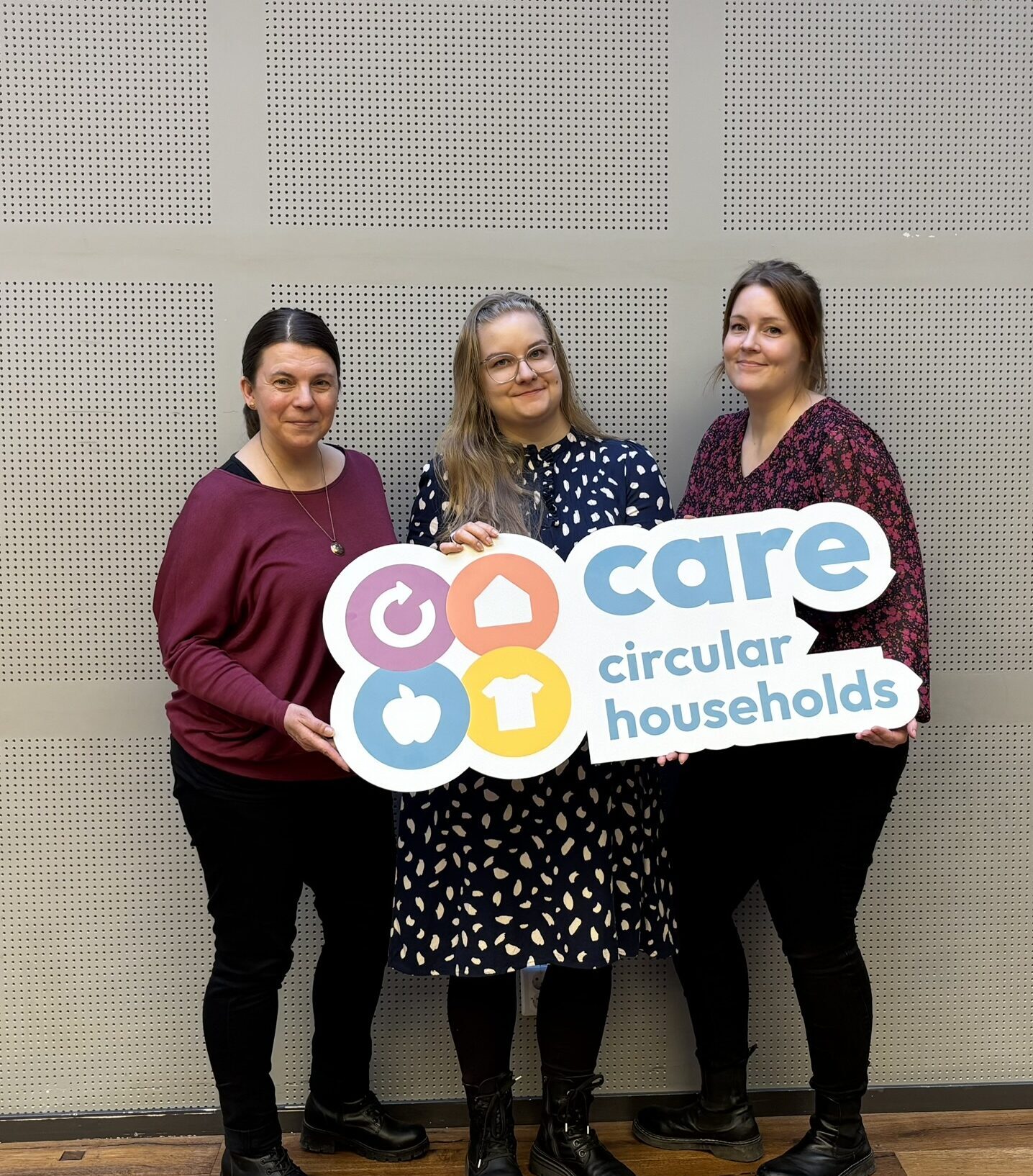
Researchers involved in the session ‘Fashion Economies in Transition: Urban and Place-Based Dynamics’ at the 2026 RSA Annual Conference in Gothenburg. | © Mariangela Lavanga
Connecting household practices and systemic change
Related questions were also explored further in a recorded discussion held after the seminar “Rethinking Europe’s Clothing Sector” at Lund University. Bringing together researchers from the Horizon Europe projects CARE and FABRIX, the exchange reflects on overproduction and overconsumption, circular clothing practices and the role of urban textile ecosystems in supporting change.
By connecting perspectives on households, cities and wider clothing systems, the discussion illustrates why Europe’s transition towards a more sustainable clothing sector requires action at multiple levels.
Continuing the conversation
The recording offers insights for researchers, policymakers and practitioners interested in sustainable fashion, the circular economy, regional developement and behavioural change. By making these discussions openly available, CARE contributes to knowledge exchange beyond the project consortium and conference audience.
Watch the full discussion on the CARE YouTube channel to explore how research can support Europe’s transition towards more circular clothing systems.
You are currently viewing a placeholder content from YouTube. To access the actual content, click the button below. Please note that doing so will share data with third-party providers.
Related posts
Circular Clothing PilotCircular Food PilotLocal EngagementPartner Spotlight
From participation to practice: Ecofellows supports circular change in Tampere
Through local pilots, practical guidance and hands-on learning, Ecofellows helps households test more circular food and clothing practices. Within …
Aug 27, 2026